Phone

+86 17821620679

 Wechat

+86 17821620679

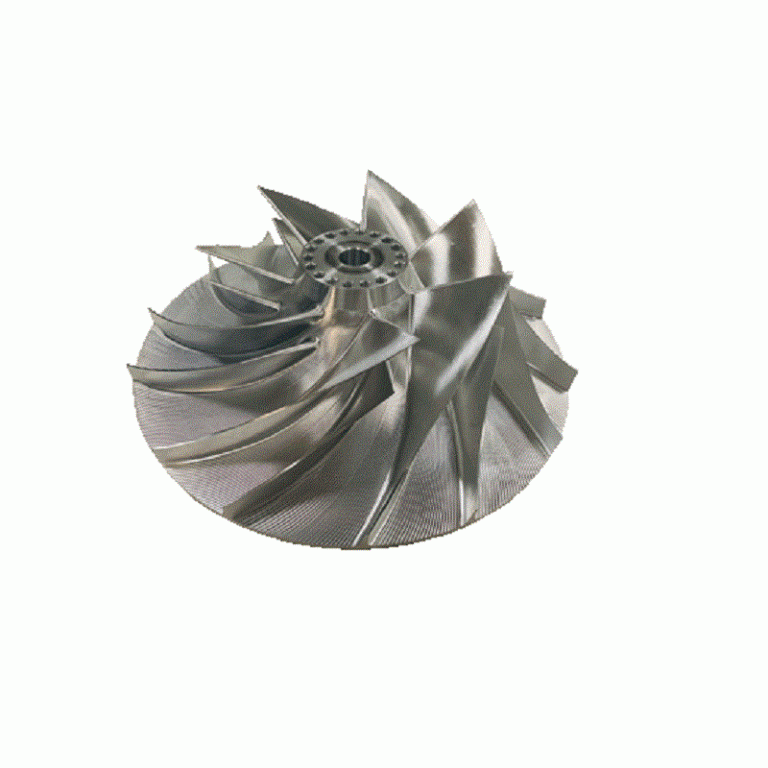
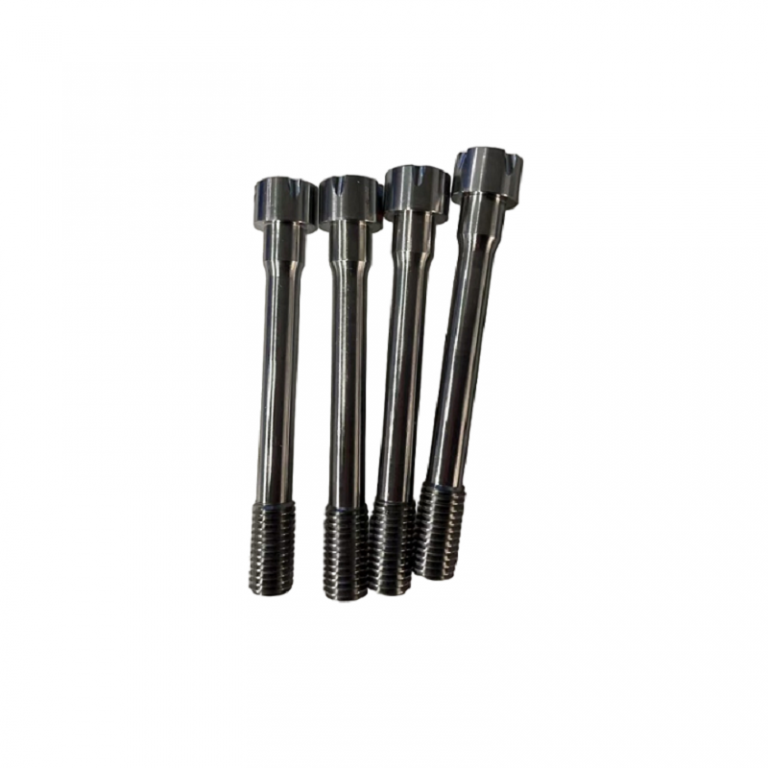
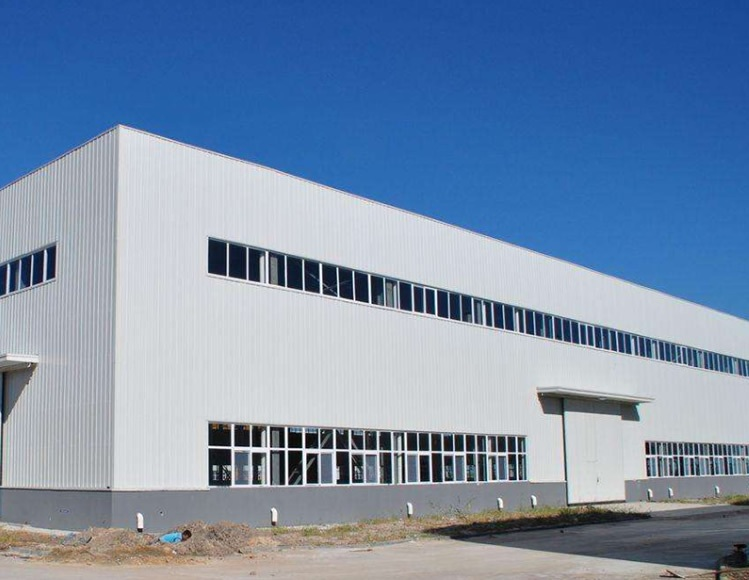
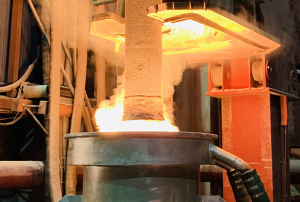
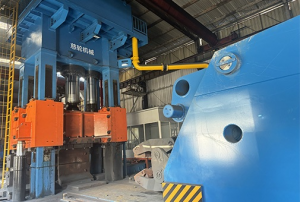
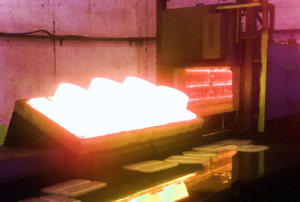
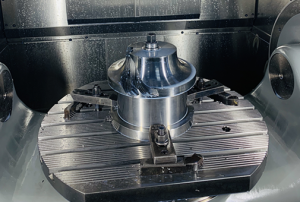
The company specializes in providing impeller products for famous European and American air compressor brand manufacturers and domestic wind turbine manufacturers. Committed to the production of stainless steel and aluminum-titanium alloy raw materials for high-speed impellers, as well as impeller blanks and finished products. The company has a history of nearly 30 years. It is located in the Wusong Economic Development Zone of Yangxing, Baoshan District. It covers an area of 15,000 square meters and has professional production equipment and technical production team. The company focuses on high-end advanced manufacturing and continuous innovation and development. The company relies on vacuum refining, electroslag, heat treatment, multi-axis CNC machining and various aspects of inspection and other excellent manufacturing processes and technologies to ensure product quality in all production links from raw materials to finished products, and is in a leading position in the same industry.

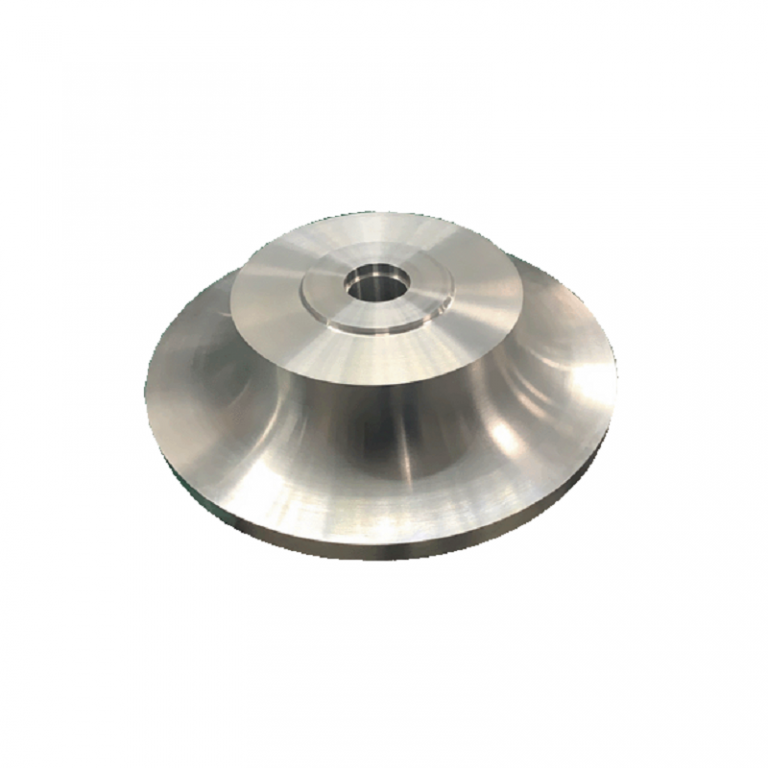
How to make an impeller for centrifugal air compressor?

Making a centrifugal compressor impeller is a serious engineering and manufacturing challenge due to the extreme forces, tolerances, and aerodynamic requirements. It's not a typical DIY project, but understanding the process is fascinating. Here is a comprehensive guide, moving from concept to finished part, with emphasis on the critical considerations at each step. Severe Warning & Disclaimer A centrifugal compressor impeller operates at tens of thousands to over 100,000 RPM. A failure due to poor design, material, or manufacturing is catastrophic—equivalent to a grenade exploding. This guide is for educational understanding only. Professional design, material certification, precision machining (CNC), and dynamic balancing are absolutely mandatory for any functional impeller. Phase 1: Design & Engineering This is the most critical phase. You cannot just "make a shape." Define Requirements: Mass Flow Rate: How much air (kg/s or CFM) do you need? Pressure Ratio (or Boost Pressure): What outlet pressure do you need? Rotational Speed (RPM): Determined by your driver (motor,
Read More »

How to avoid high-cycle fatigue fracture of centrifugal impellers in air compressors?

  High-cycle fatigue (HCF) in centrifugal impellers is one of the most common and catastrophic failure modes in air compressors. It occurs when alternating stresses—often caused by aerodynamic excitation or mechanical vibration—exceed the material’s endurance limit over millions of cycles. Avoiding HCF fracture requires a holistic approach that spans design, manufacturing, and operational maintenance. Here is a structured strategy to mitigate this risk. 1. Design Phase: Avoid Resonance & Reduce Excitation The primary driver of HCF is resonance between the impeller’s natural frequencies and excitation forces. Conduct Detailed Modal Analysis (FEA):Perform finite element analysis (FEA) to calculate the impeller’s natural frequencies (Campbell diagram). Ensure that there is a sufficient safety margin (typically 10–15%) between the impeller’s natural frequencies and the excitation harmonics (blade passing frequency, nozzle wake frequencies, and integer multiples of shaft speed) across the entire operating speed range. High-Cycle Fatigue (HCF) Safe Life Analysis:Do not rely solely on

Read More »

What is the function of an impeller in a centrifugal air compressor?

 In a centrifugal air compressor, the impeller is the heart of the machine and its primary rotating component. Its core function is to transfer kinetic energy from the motor/driver to the air, accelerating it and converting that energy into pressure. Here’s a detailed breakdown of its functions: 1. Primary Function: Energy Transfer & Acceleration The impeller is a high-speed rotor with curved blades (vanes). As it spins (typically at 10,000 - 100,000 RPM), the air between its blades is forced outward radially from the center (eye) to the periphery. This centrifugal action massively increases the air's velocity (kinetic energy). 2. Key Sub-Functions and Roles: Air Intake & Direction: Air enters axially through the "eye" of the impeller. The impeller's geometry immediately captures and directs the flow radially outward. Creating Centrifugal Force: The spinning motion imparts a powerful centrifugal force on the air molecules, flinging them toward the outer diameter. This is the namesake "centrifugal" effect. Velocity Increase: The curved

Read More »