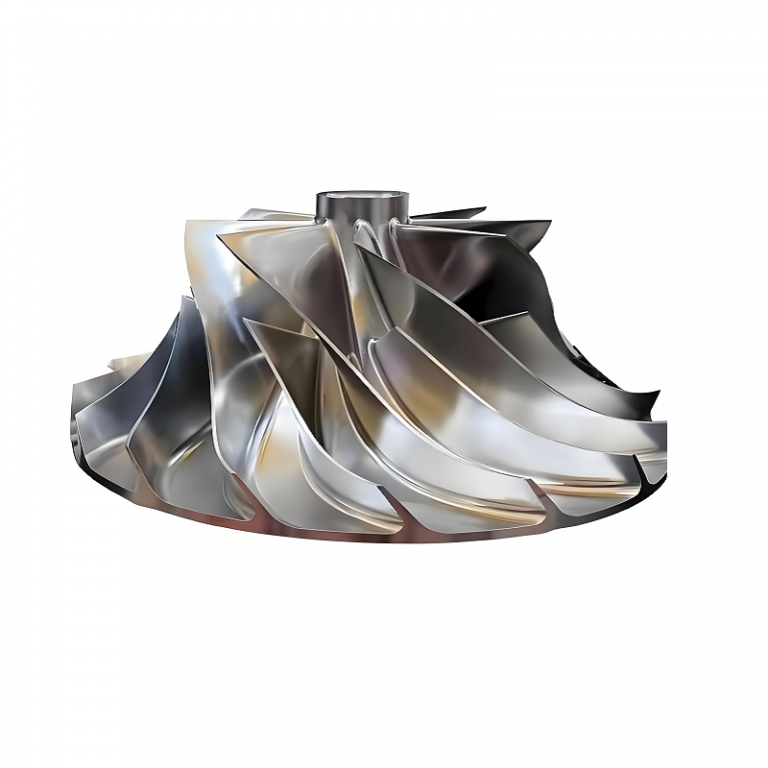
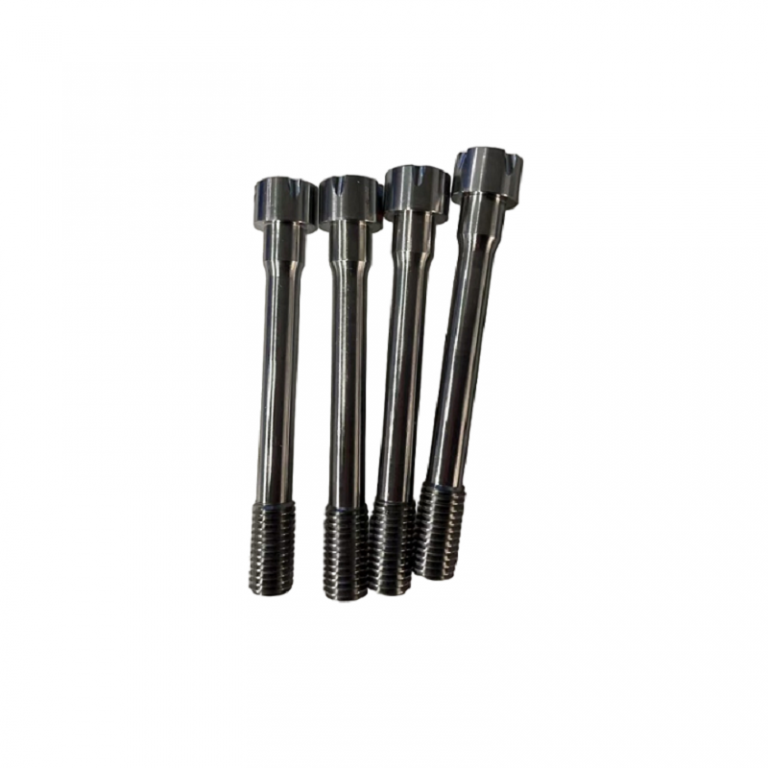
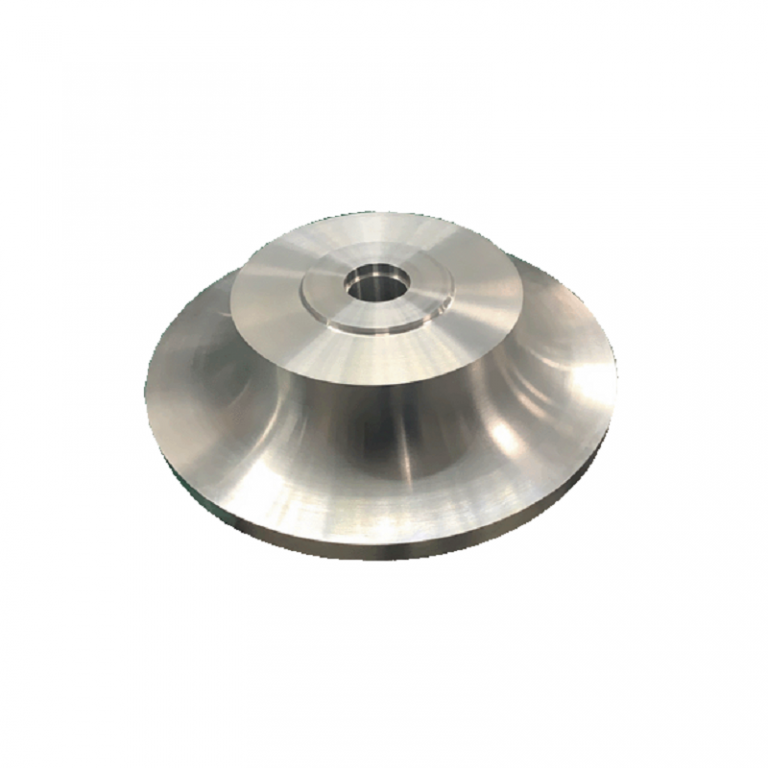
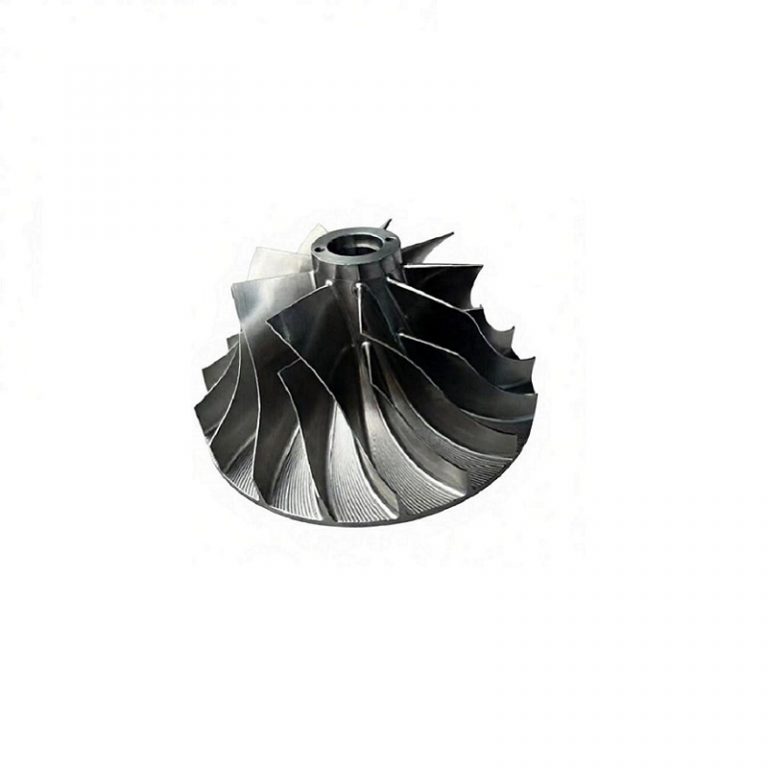

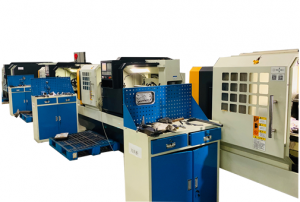
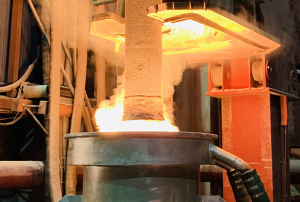
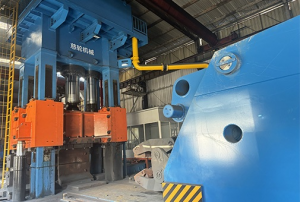
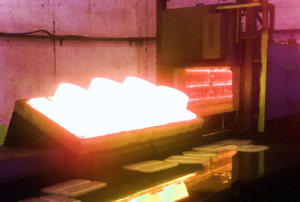
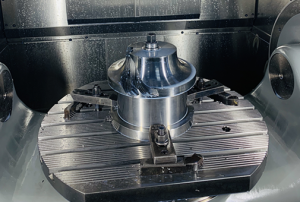
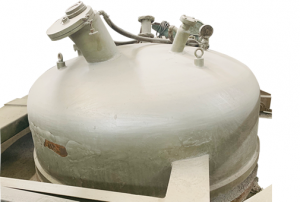
The company specializes in providing impeller products for famous European and American air compressor brand manufacturers and domestic wind turbine manufacturers. Committed to the production of stainless steel and aluminum-titanium alloy raw materials for high-speed impellers, as well as impeller blanks and finished products. The company has a history of nearly 30 years. It is located in the Wusong Economic Development Zone of Yangxing, Baoshan District. It covers an area of 15,000 square meters and has professional production equipment and technical production team. The company focuses on high-end advanced manufacturing and continuous innovation and development. The company relies on vacuum refining, electroslag, heat treatment, multi-axis CNC machining and various aspects of inspection and other excellent manufacturing processes and technologies to ensure product quality in all production links from raw materials to finished products, and is in a leading position in the same industry.
Centrifugal Impeller For Kobelco Centrifugal Air Compressor
The centrifugal impeller is the most critical rotating component in a Kobelco centrifugal air compressor. It accelerates air radially outward via high-speed rotation, converting velocity energy into pressure energy in the diffuser and volute. For Kobelco models (e.g., KOBELCO KOBE STEEL series like TA-, TM-, TRE-, or M-series for air compressors), the impeller is typically: Material: High-strength aluminum alloy (e.g., 7075-T6) or stainless steel (e.g., 17-4PH), depending on model and operating pressure. Manufacturing: Precision 5‑axis CNC machined or forged, with full static & dynamic balancing (ISO 1940 G1.0 or better). Features: Open or closed type? Kobelco often uses closed (shrouded) impellers for higher efficiency and reliability in oil‑free air applications. Key considerations for replacement or sourcing: OEM vs. aftermarket OEM (Kobelco) guarantees exact fit, material certs, and balancing. Expensive but low risk. Aftermarket (e.g., Compressor Parts International, Bala Sura, or Turbo-Tek) can be 30–50% cheaper but must match: Original part number (etched on hub) Eye diameter, exducer diameter, blade count, and
Centrifugal Impeller For Mitsubishi Heavy Industries Centrifugal Air Compressor
This is a highly specialized component. To give you an accurate answer or sourcing guidance for a Centrifugal Impeller for a Mitsubishi Heavy Industries (MHI) centrifugal air compressor, I need to break down the critical variables. Unlike a car part, MHI compressor impellers are engineered to order based on the specific compressor stage, gas composition, and required head/pressure. First: Identify Your Specific Compressor Model MHI uses specific series designations. Please locate the nameplate data. Common models include: Series A (e.g., A series) : Older multi-stage integrally geared units. Series B/M Series: Medium pressure / process air. RIK / RIT Series: Turbo blowers / centrifugal compressors. Custom API 617 units: Built per project for refineries or chemical plants. Critical Information Needed for a Replacement If you need to quote or repair an impeller, you must provide the following to any supplier (including MHI or an aftermarket shop): MHI Part Number (e.g., *4H-12345* or *MHI-9876A*). This is the safest route.
Centrifugal Impeller For Atlas Copco Air Compressor
When dealing with a centrifugal impeller for an Atlas Copco air compressor, it's referring to a component used in their oil‑free centrifugal compressor range (e.g., ZH+, Centac, or older Z series centrifugal models). Below is a structured overview to help us identify, source, or understand this critical part. 1. Which Atlas Copco compressors use a centrifugal impeller? Atlas Copco’s centrifugal (turbo) compressor families include: Series Typical flow range Notes ZH+ 25–250 m³/min (900–8,850 cfm) Oil‑free, multi‑stage, direct‑drive Centac 85–850 m³/min (3,000–30,000 cfm) Large industrial, gear‑driven stages H series Up to 2,500 m³/min (88,000 cfm) High‑pressure, custom engineered Do not confuse with screw‑type ZR/ZT compressors – those use rotors, not impellers. 2. Impeller function & key characteristics Converts rotational energy into kinetic energy (high‑velocity air), then pressure via diffuser. Operates at very high speeds (15,000–50,000+ rpm depending on stage). Materials: Typically forged aluminium (e.g., 7075‑T6) for low‑duty, or stainless steel (17‑4PH, 15‑5PH) / titanium for aggressive environments or higher temperatures. Surface
Centrifugal Impeller For FS-Elliott Centrifugal Compressor
The centrifugal impeller is the most critical rotating component in an FS-Elliott centrifugal compressor, directly responsible for gas acceleration and pressure rise. FS-Elliott (a joint venture between FS-Curtis and Elliott Group) specializes in oil-free, multistage centrifugal compressors widely used in industrial air compression, PET blowing, nitrogen boosting, and process gas applications. Below is a technical and practical overview of the centrifugal impeller for FS-Elliott compressors, including design, materials, common models, failure signs, and sourcing options. 1. Role of the Impeller in FS-Elliott Compressors In an FS-Elliott compressor (e.g., PAP PLUS, P500, P600, TA, TRE series), air or gas enters the inlet guide vanes, then passes through the first-stage impeller – a high-speed rotating disk with curved blades. The impeller: Imparts kinetic energy to the gas (velocity) Works with stationary diffusers and return channels to convert velocity into pressure Determines efficiency, flow range, and reliability FS-Elliott compressors are multi-stage (typically 3–4 stages). Each
Centrifugal Impeller For Ingersoll Rand’s MSG TURBO-AIR NX 12000 Centrifugal Air Compressors
The Ingersoll Rand MSG TURBO-AIR NX 12000 is a high-speed, integrally geared centrifugal compressor. The centrifugal impeller is the single most critical rotating component, operating at speeds typically between 15,000 and 30,000+ RPM. Here is the direct technical and sourcing information you need. 1. OEM Part Number Context Ingersoll Rand does not sell "bare impellers" over the counter. They are sold as part of a Balance of Rotor (BOR) or High-Speed Shaft Assembly. Typical OEM P/N format: IR-XXXXX-XX or 399XXXXX The critical identifier: You need the Stage (1, 2, or 3) and the Compressor Serial Number (S/N) . The NX 12000 is a 3-stage compressor; impellers for Stage 1 (low pressure) are larger diameter than Stage 3 (high pressure). 2. Aftermarket & Repair Sources (OEM-Equivalent) Since you asked for a "Centrifugal Impeller" specifically, you are likely looking for a replacement or repair. Major authorized and non-authorized suppliers include: Ingersoll Rand Aftermarket (Direct): Part # likely requires a quote. They will only
Recommended suppliers of centrifugal impellers for air compressors
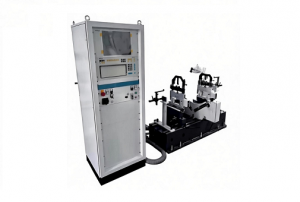
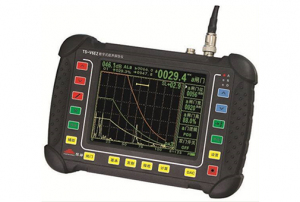
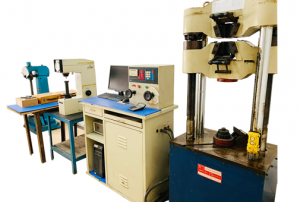
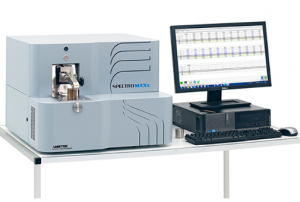
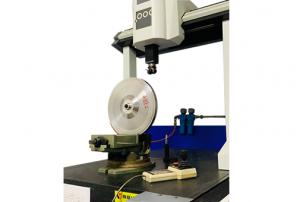
When selecting centrifugal impellers for air compressors, you need suppliers with expertise in high-speed rotating machinery, precision aerodynamics, and durable materials (e.g., aluminum, stainless steel, or titanium). Below are recommended suppliers, categorized by type: 1. Major OEMs (also supply replacement impellers) CD Centrifugal Impeller-Shanghai Cidong Alloy Materials Co., Ltd. is one of the top one manufacturers of centrifugal impellers for air compressors in China. Atlas Copco – Global leader in air compressors; offers high-efficiency centrifugal impellers for their own and compatible units. Ingersoll Rand – Provides OEM impellers for their CENTAC and other centrifugal compressor lines. Elliott Group – Specializes in custom-engineered impellers for large industrial centrifugal compressors (air, gas, process). Siemens Energy – Supplies impellers for high-performance air compressors used in petrochemical and aeration applications. 2. Independent Aftermarket & Specialists CD Cidong Centrifugal Impeller controls the whole production process from raw materials to finished products. The inspection equipment includes spectrum analyzer, mechanical
Centrifugal Impeller For Kaishan KCOF8000 Centrifugal Air Compressors
Here’s what you should know about the centrifugal impeller for the Kaishan KCOF8000 centrifugal air compressor: 1. Model Context Kaishan KCOF8000 is a large-capacity centrifugal air compressor (likely in the 8000 m³/h or CFM range). Impellers are precision components that convert kinetic energy into pressure — critical for compressor efficiency and reliability. 2. OEM vs. Aftermarket Best source: Kaishan’s official parts distribution (Kaishan Compressor USA or Kaishan Global). Aftermarket: Specialized manufacturers (e.g., CAGI-member shops) may produce replicas, but require exact drawings or a sample due to proprietary geometry. 3. Typical Impeller Specifications (KCOF Series) Parameter Typical Value Material Forged aluminum alloy (6061-T6 / 7075) or stainless steel (17-4PH) Diameter ~300–500 mm (depends on stage) Speed rating 15,000–30,000 RPM Balancing grade ISO 1940 G1.0 or G2.5 Hub taper Specific to Kaishan shaft interface Verify exact data from your compressor’s nameplate or maintenance manual. 4. Where to Order / Request a Quote Kaishan OEM
Centrifugal Impeller For Ingersoll Rand’s MSG TURBO-AIR NX 2500 centrifugal compressor
This is a highly specialized request for a critical rotating component. For the Ingersoll Rand MSG TURBO-AIR NX 2500, the centrifugal impeller is a high-speed, precision-machined part (typically aluminum or stainless steel) that is stage-specific and serialized to your exact machine. Directly purchasing this requires strict adherence to OEM specifications. Here is your actionable path: 1. Immediate Part Identification You cannot order this by model number alone. Locate your compressor's data plate and have ready: Full Model Number (e.g., NX 2500, NX 2550 variant) Serial Number (Critical – IR links impellers to this) Stage Number (1st, 2nd, or 3rd stage impeller? Each has different aero/geometry) Original Part Number (etched on the impeller hub or in your maintenance manual) 2. Sourcing Options Source Lead Time Cost Estimate Notes Ingersoll Rand OEM (via official distributor) 12-20 weeks $15,000 - $35,000+ Includes balancing report and cert; safest for warranty/oil-free certification Authorized IR Service Center (e.g., FS-Elliott? No, they are separate)
How to solve the problem of seal clearance failure in centrifugal impellers for air compressors?
This is a critical issue in high-speed turbomachinery. "Seal clearance failure" typically means the gap between the labyrinth seal teeth and the impeller hub/shaft has either closed (causing rubs, heat, and vibration) or opened (causing efficiency loss). Here is a systematic engineering approach to solve it. Step 1: Diagnose the Type of Failure First, determine which failure mode you have: Rubbing/Touchdown (Clearance too tight): Look for gold/brown discoloration on the impeller hub, melted seal teeth, high vibration (especially at 1X or subsynchronous), or a drop in discharge pressure. Excessive Leakage (Clearance too large): Look for lower than expected efficiency, higher power consumption for the same flow, or increased discharge temperature without a pressure rise. Step 2: Address the Root Causes (The "Why") Don't just recut the seal—fix what caused the clearance to change. Root Cause Corrective Action Thermal Growth Mismatch Recalculate differential expansion between the rotor (impeller) and stator (seal housing) at steady-state operating temperature, not
Deposits and corrosion on centrifugal impellers for air compressors
Deposits and corrosion on the centrifugal impellers of air compressors are among the most critical issues affecting reliability, efficiency, and mechanical integrity. Because centrifugal compressors operate at extremely high rotational speeds (often exceeding 10,000 to 30,000 RPM), even a few milligrams of imbalance or a minor surface defect can lead to catastrophic failure. Here is a detailed breakdown of the causes, consequences, and mitigation strategies. 1. Types of Deposits Deposits alter the aerodynamic profile of the blades and cause imbalance. The type of deposit depends heavily on the intake location and the quality of the filtration system. Atmospheric Fouling: In industrial or coastal environments, the intake air carries sub-micron particles. Even if the main filter captures 99% of dust, the remaining 1% (silica, clay, soot) adheres to the blades due to "oil mist" or humidity. Oil Carryover: In oil-flooded screw compressors feeding the centrifugal (or if there is seal oil
